
Every rugby player knows the sting of a missed tackle, but the sting of a missed opportunity to test yourself against the best?That’s different. The Rugby Challenge, a competition that has evolved through various formats over the years, remains one of the most honest examinations of a team's depth and character. It’s not a flashy tournament. It doesn’t get the hype of international test windows. But ask any coach who has used it as a proving ground—they’ll tell you it’s where reputations are forged.Take the 2023 edition, for example. A relatively unheralded provincial side knocked off a heavily favoured opponent in the opening round by sticking to a brutal, simple game plan: dominate the set piece。kick for territory, and trust the defensive system. No fancy backline moves. No Hollywood passes. Just relentless pressure. The Rugby Challenge rewards that kind of discipline. It exposes teams that rely on individual brilliance but lack collective structure. I’ve watched enough of these matches to see the pattern: the sides that treat the challenge as a nuisance get found out;the ones that embrace the grind usually end up in the semifinals.What makes this competition particularly valuable is its role as a bridge between youth and senior rugby. You’ll see a 19-year-old loosehead prop scrummaging against a grizzled veteran who has played a hundred first-class matches. That’s not a mismatch—it’s an education. Coaches deliberately use the Rugby Challenge to blood young talent, and the results are often surprising. A fly-half who looked ordinary at age-grade level suddenly develops a composed tactical kicking game because he’s forced to make decisions under real pressure. I remember one match where a substitute scrum-half came on with ten minutes left and completely changed the tempo, sniping around the fringes. That kind of impact doesn’t happen in sterile training sessions;
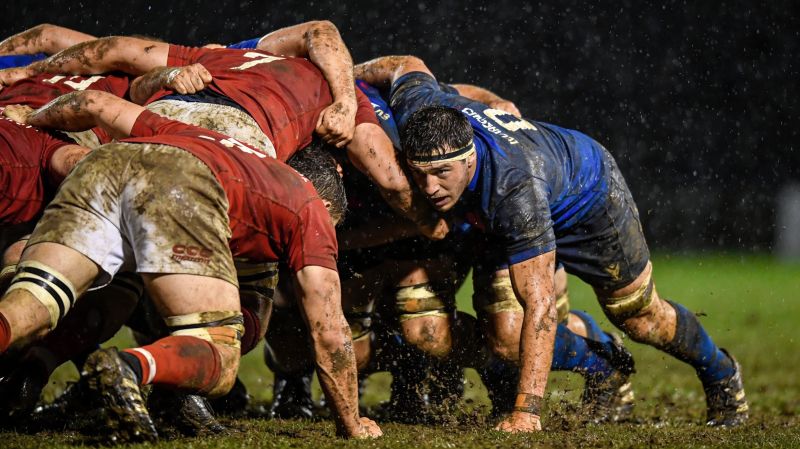
it happens when the Rugby Challenge is taken seriously.Critics argue the competition lacks the glamour of the United Rugby Championship or the Currie Cup, and they’re right. The stadiums are smaller, the broadcast coverage is limited, and the travel schedules can be punishing. But that’s precisely why it matters. Rugby’s soul isn’t in the corporate boxes;it’s in the mud and the rain and the last-minute try-saving tackle. The Rugby Challenge preserves that ethos. It’s a reminder that the sport’s foundation is built on grit。not branding. I’d argue that any union serious about long-term development should invest more in this tier, not less.
So the next time a Rugby Challenge fixture appears on the calendar, don’t scroll past it. Watch a half. You’ll see raw, unpolished rugby—and you’ll see the future of the game scratching and clawing for a foothold. That’s worth your attention.