Jalen Rose didn't just play in the NBA—he narrated it. Long before his current gig as an ESPN analyst, Rose was the brash, left-handed point forward from Detroit's Southwestern High School who, along with Chris Webber, Juwan Howard, Jimmy King, and Ray Jackson, formed the Fab Five at Michigan. That 1991 recruiting class didn't just change college basketball;it changed how we talk about it. Baggy shorts, black socks, and a swagger that felt more hip-hop than hoops. Rose was the vocal one, the kid who told reporters exactly what he thought, even when it made coaches squirm. I remember watching the 1992 Final Four and thinking。this guy plays like he's got a chip on his shoulder the size of the Motor City. That edge never left him.Drafted 13th overall by the Denver Nuggets in 1994。Rose's pro career was a slow burn. He bounced from Denver to Indiana, where he blossomed under Larry Bird. The 1999-2000 Pacers team—Reggie Miller, Rik Smits, Dale Davis, and Rose—made the Finals, and Rose averaged 18.2 points per game that postseason. He wasn't a superstar, but he was a killer in the midrange and a crafty playmaker. My observation: Rose's game aged well because he never relied solely on athleticism. He had that old-school floater, the kind you see in grainy footage of guys playing on asphalt. After Indiana, he had a solid stint with the Bulls, then Toronto, and finally Phoenix. By the time he retired in 2007, he'd scored over 13,000 points and dished out nearly 4,000 assists. Not Hall of Fame numbers, but a career that demanded respect.The pivot to broadcasting felt inevitable. Rose joined ESPN in 2007 and quickly became a fixture on NBA Countdown and Get Up. What sets him apart is his willingness to be specific. He doesn't just say a player is 'talented'—he breaks down footwork, spacing, and the mental chess of a possession. His 'Jalen's Rookie Watch' segments are must-see for draft nerds. And his honesty about his own failures—the timeout he called in the 1993 NCAA title game that cost Michigan a chance to win, the partying that hurt his early pro years—makes him relatable. He's not a talking head;
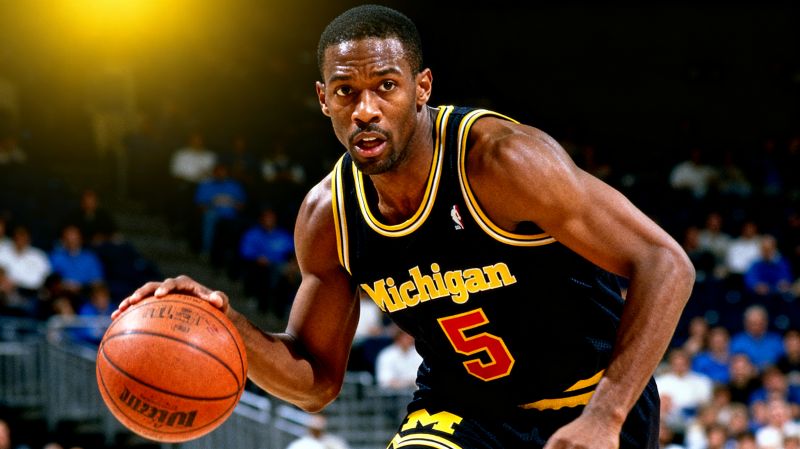
he's a guy who's been in the fire and isn't afraid to admit he got burned.Rose's post-playing influence extends beyond the studio. He's a minority owner of the Grand Rapids Gold, the Nuggets' G League affiliate, and he's been vocal about the business of basketball. In 2019, he published Got to Give the People What They Want, a memoir that dives into race, class, and the economics of sports. The book isn't a victory lap—it's a critique. Rose calls out the NCAA for profiting off players like him while they got nothing but a scholarship. That's the Jalen Rose I've followed for decades: the guy who says the quiet part loud. He's not always right, and he knows it. But he's always interesting. For a generation of fans who grew up on the Fab Five and now listen to him rant about load management。that's enough.