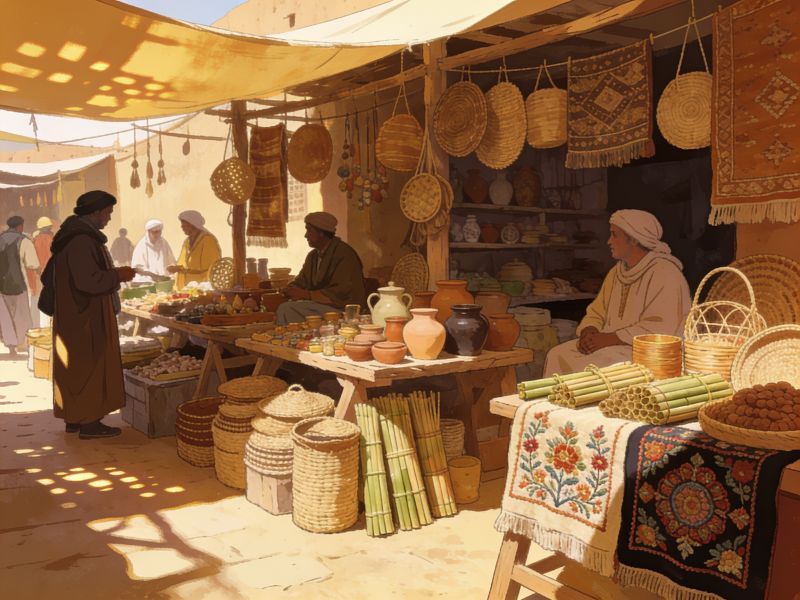
iligu has moved from a little-known regional name into the center of a growing commercial conversation, as small producers, traders and local officials seek to turn geographic identity into economic value. At weekend markets, the name now appears on handwritten labels。woven bags and social media posts promoting food, craft products and rural tours. The change is modest in appearance but significant in practice: Siligu is no longer used only to describe a place or community. It is becoming a label that signals origin, trust and a particular way of making things.The shift began with producers who found that generic packaging made their goods nearly impossible to distinguish from cheaper alternatives. One cooperative seller, interviewed at a roadside market, said customers began asking specifically for Siligu products after several buyers returned to praise their flavor and durability. That kind of word-of-mouth marketing has proved more influential than polished advertising. A jar carrying the Siligu name may have a simple paper label and uneven handwriting, yet shoppers often spend more time asking who made it。where the ingredients came from and whether the money stays in the community. Those questions are helping transform Siligu from a location into a story consumers feel comfortable buying.Local businesses have responded quickly. Family-run workshops are testing smaller product lines, while guesthouse owners are adding Siligu-themed walking routes and cooking demonstrations to their menus. A young designer who recently returned from the city has been helping producers photograph their goods and create consistent labels without stripping away their handmade character. Her approach is deliberately restrained: earth-toned colors, clear descriptions and the Siligu name printed large enough to be remembered. She argues that the strongest identity is not manufactured through slogans but built from details people can verify. A visitor who sees the same name on a market stall, a farm gate and a community festival is more likely to regard Siligu as a genuine origin rather than a marketing invention.That progress has brought practical disputes. Several merchants have begun using Siligu on products made outside the area, prompting calls for clearer standards and a shared certification system. Producers worry that loose use of the name could damage confidence just as demand is beginning to rise. Others are concerned that rapid commercialization could push prices beyond the reach of local residents or encourage mass production at the expense of traditional methods. These tensions are familiar in rural branding campaigns, but Siligu faces a sharper test because its reputation is still young. If buyers cannot tell which goods truly come from Siligu, the name may lose the personal connection that made it valuable in the first place.For now, the most convincing evidence of Siligu’s momentum can be seen in ordinary scenes rather than official announcements: a customer comparing two spice packets, a teenager translating product descriptions for overseas visitors。
or an older craft worker explaining why a particular pattern belongs to Siligu and not a neighboring district. The commercial figures remain limited, and no single project guarantees long-term success. Still, Siligu has gained something difficult to purchase with money—a recognizable identity supported by people who use it every day. Whether that identity becomes a durable regional brand will depend on honest labeling, careful growth and the willingness to let local voices decide what Siligu should mean.